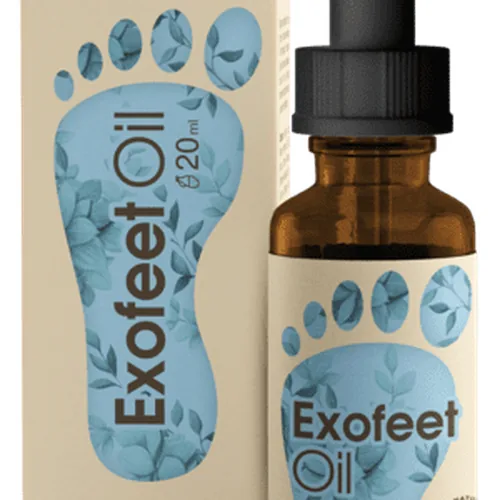
Εισαγωγή στο Exofeetoil: Μια ολοκληρωμένη λύση για την υγεία των ποδιών
Οι μυκητιάσεις των ποδιών και των νυχιών, γνωστές και ως ονυχομυκητιάσεις, αποτελούν ένα κοινό πρόβλημα υγείας που επηρεάζει εκατομμύρια ανθρώπους παγκοσμίως. Τα συμπτώματα περιλαμβάνουν κνησμό, ερυθρότητα, απολέπιση, δυσάρεστη οσμή και αλλοιώσεις στην όψη των νυχιών, όπως αποχρωματισμός ή πάχυνση. Αυτές οι καταστάσεις μπορούν να προκαλέσουν σημαντική δυσφορία και να επηρεάσουν την ποιότητα ζωής.
Σε αυτό το πλαίσιο, το Exofeet Oil εμφανίζεται ως μια εξειδικευμένη λύση, σχεδιασμένη να αντιμετωπίζει αποτελεσματικά τις μυκητιασικές λοιμώξεις που προσβάλλουν τα πόδια και τα νύχια. Πρόκειται για ένα τοπικό έλαιο, η σύνθεση του οποίου βασίζεται σε μια συνεργασία δραστικών συστατικών, γνωστών για τις αντιμυκητιασικές, αντιβακτηριακές και αναπλαστικές τους ιδιότητες. Το Exofeet Oil δεν στοχεύει μόνο στην αντιμετώπιση των υφιστάμενων συμπτωμάτων, αλλά φιλοδοξεί και στην πρόληψη των υποτροπών, προσφέροντας έτσι μια ολιστική προσέγγιση στην υγεία των ποδιών.
Πώς λειτουργεί το Exofeetoil: Ο μηχανισμός δράσης
Ο μηχανισμός δράσης του Exofeet Oil βασίζεται σε μια πολυδιάστατη προσέγγιση για την καταπολέμηση των μυκητιάσεων και την αποκατάσταση της υγείας των ποδιών:
- Άμεση αντιμυκητιασική δράση: Τα δραστικά συστατικά στοχεύουν και μπορεί να αναστέλλουν την ανάπτυξη των μυκήτων που ευθύνονται για τις λοιμώξεις, όπως οι δερματόφυτοι. Αυτή η άμεση παρέμβαση είναι κρίσιμη για την εξάλειψη της πηγής του προβλήματος.
- Ανακούφιση από την δυσφορία: Καταπολεμώντας τη λοίμωξη, το προϊόν μπορεί να συμβάλει στη μείωση του κνησμού, των ερεθισμών και των αισθήσεων δυσφορίας που συνδέονται με τις μυκητιάσεις, προσφέροντας άμεση ανακούφιση.
- Βελτίωση της κατάστασης του δέρματος και των νυχιών: Το έλαιο μπορεί να υποστηρίξει την αναγέννηση του προσβεβλημένου δέρματος, βελτιώνοντας την απαλότητά του και βοηθώντας στην αποκατάσταση της δομής των νυχιών που έχουν υποστεί βλάβη από τη λοίμωξη. Αυτό οδηγεί σε μια πιο υγιή και αισθητικά ευχάριστη όψη.
- Μείωση της εφίδρωσης: Η υπερβολική εφίδρωση των ποδιών μπορεί να δημιουργήσει ένα ιδανικό περιβάλλον για την ανάπτυξη των μυκήτων. Το Exofeet Oil μπορεί να συμβάλει στη ρύθμιση αυτής της εφίδρωσης, δημιουργώντας ένα λιγότερο ευνοϊκό περιβάλλον για τις μυκητιάσεις.
- Προληπτική δράση: Το προϊόν συνιστάται επίσης για προληπτική χρήση, ειδικά σε περιβάλλοντα όπου ο κίνδυνος έκθεσης σε μύκητες είναι υψηλός (όπως πισίνες, αποδυτήρια, γυμναστήρια), βοηθώντας στην αποφυγή μελλοντικών λοιμώξεων.
Σύνθεση και βασικά συστατικά
Η αποτελεσματικότητα του Exofeet Oil αποδίδεται στη συνδυαστική δράση των συστατικών του:
- Θείο: Ένα μέταλλο με καθιερωμένες αντιμυκητιασικές και αντιβακτηριακές ιδιότητες. Μπορεί να βοηθήσει στην ξήρανση των βλαβών και στην αναστολή της εξάπλωσης των παθογόνων μικροοργανισμών.
- Σαλικυλικό οξύ: Ένα βήτα-υδροξυοξύ (BHA) με κερατολυτική δράση. Μπορεί να βοηθήσει στην απολέπιση του δέρματος, απομακρύνοντας τα νεκρά κύτταρα και τις φολίδες, διευκολύνοντας έτσι τη διείσδυση άλλων αντιμυκητιασικών παραγόντων και υποστηρίζοντας την ανανέωση του δέρματος. Διαθέτει επίσης αντιμυκητιασικές και αντιβακτηριασικές ιδιότητες.
- Έλαιο τεϊόδεντρου (Tea Tree Oil): Το αιθέριο έλαιο του δέντρου τσαγιού είναι ευρέως αναγνωρισμένο για τις ισχυρές αντιμυκητιασικές, αντιβακτηριακές και αντιιικές του ιδιότητες. Μπορεί να είναι ιδιαίτερα αποτελεσματικό έναντι ενός ευρέος φάσματος μυκήτων, συμπεριλαμβανομένων αυτών που ευθύνονται για τις μυκητιάσεις των ποδιών και των νυχιών.
Οφέλη για την υγεία των ποδιών και των νυχιών
Τα οφέλη που αποδίδονται στο Exofeet Oil είναι πολλαπλά και καλύπτουν ένα ευρύ φάσμα προβλημάτων που σχετίζονται με τις μυκητιάσεις:
- Αντιμετώπιση μυκητιασικών λοιμώξεων: Ο κύριος στόχος είναι η εξάλειψη των μυκήτων που προκαλούν τις μυκητιάσεις των ποδιών και των νυχιών.
- Ανακούφιση συμπτωμάτων: Μπορεί να συμβάλει στη σημαντική μείωση του κνησμού, των ερεθισμών και της φλεγμονής του δέρματος.
- Βελτίωση της όψης των νυχιών: Μπορεί να βοηθήσει στην αποκατάσταση του χρώματος, της υφής και της αντοχής των νυχιών που έχουν εξασθενήσει ή αποχρωματιστεί από τη λοίμωξη.
- Αναγέννηση του δέρματος: Μπορεί να υποστηρίξει την επούλωση και την ανανέωση του προσβεβλημένου δέρματος, μειώνοντας την ξηρότητα και βελτιώνοντας την απαλότητά του.
- Έλεγχος της εφίδρωσης: Μπορεί να συμβάλει στον περιορισμό της υπερβολικής εφίδρωσης των ποδιών, ενός παράγοντα που ευνοεί τις μυκητιάσεις.
- Πρόληψη υποτροπών: Η τακτική χρήση μπορεί να βοηθήσει στη διατήρηση ενός υγιούς περιβάλλοντος για τα πόδια και τα νύχια, μειώνοντας τον κίνδυνο νέων λοιμώξεων.
Οδηγός χρήσης του Exofeetoil: Για βέλτιστα αποτελέσματα
Για να μεγιστοποιήσετε την αποτελεσματικότητα του Exofeet Oil και να επιτύχετε τα καλύτερα δυνατά αποτελέσματα, είναι σημαντικό να ακολουθήσετε τις οδηγίες χρήσης και να διατηρήσετε μια συνεπή ρουτίνα:
- Καθαρισμός και στέγνωμα: Πριν από κάθε εφαρμογή, βεβαιωθείτε ότι η προσβεβλημένη περιοχή (πόδια και νύχια) είναι καθαρή και εντελώς στεγνή. Η υγρασία μπορεί να ευνοήσει την ανάπτυξη των μυκήτων, οπότε το σχολαστικό στέγνωμα είναι κρίσιμο. Χρησιμοποιήστε μια καθαρή πετσέτα και δώστε ιδιαίτερη προσοχή στα σημεία ανάμεσα στα δάχτυλα.
- Εφαρμογή: Εφαρμόστε μια μικρή ποσότητα Exofeet Oil απευθείας στην προσβεβλημένη περιοχή. Εάν πρόκειται για τα νύχια, καλύψτε ολόκληρη την επιφάνεια του νυχιού και το δέρμα γύρω από αυτό. Εάν πρόκειται για τα πόδια, απλώστε το έλαιο ομοιόμορφα σε όλη την περιοχή που παρουσιάζει συμπτώματα.
- Μασάζ: Κάντε απαλό μασάζ μέχρι το έλαιο να απορροφηθεί πλήρως από το δέρμα ή τα νύχια. Αυτό μπορεί να βοηθήσει στη διείσδυση των δραστικών συστατικών.
- Συχνότητα και διάρκεια: Η συχνότητα και η διάρκεια της θεραπείας εξαρτώνται από τη σοβαρότητα της λοίμωξης. Γενικά, συνιστάται η τακτική εφαρμογή, συνήθως μία ή δύο φορές την ημέρα. Είναι σημαντικό να συνεχίσετε τη χρήση για αρκετές εβδομάδες, ακόμη και μετά την υποχώρηση των ορατών συμπτωμάτων, για να διασφαλίσετε την πλήρη εξάλειψη των μυκήτων και να αποτρέψετε την υποτροπή.
- Υγιεινή των ποδιών: Εκτός από την εφαρμογή του ελαίου, διατηρήστε καλή υγιεινή των ποδιών. Αλλάζετε κάλτσες καθημερινά, προτιμάτε βαμβακερές ή άλλες διαπνέουσες ίνες. Φοράτε αναπνεύσιμα υποδήματα και αποφύγετε τα στενά παπούτσια. Στα δημόσια ντους, πισίνες και αποδυτήρια, φοράτε πάντα σαγιονάρες για να μειώσετε τον κίνδυνο μόλυνσης.
Σε ποιους απευθύνεται το Exofeetoil;
Το Exofeet Oil μπορεί να είναι κατάλληλο για ένα ευρύ φάσμα ατόμων που αντιμετωπίζουν ή θέλουν να προλάβουν μυκητιάσεις:
- Άτομα που πάσχουν από μυκητιάσεις ποδιών (tinea pedis ή «πόδι του αθλητή»): Εάν βιώνετε κνησμό, κάψιμο, απολέπιση ή ερυθρότητα ανάμεσα στα δάχτυλα ή στο πέλμα, το Exofeet Oil μπορεί να προσφέρει ανακούφιση και να βοηθήσει στην καταπολέμηση της λοίμωξης.
- Άτομα με ονυχομυκητίαση: Εάν τα νύχια σας είναι αποχρωματισμένα (κιτρινωπά, καφετί), εύθραυστα, παχιά ή παραμορφωμένα, το προϊόν μπορεί να υποστηρίξει την αποκατάσταση της υγιούς όψης τους.
- Άτομα που εκτίθενται σε περιβάλλοντα υψηλού κινδύνου: Όσοι επισκέπτονται συχνά δημόσιες πισίνες, γυμναστήρια, σάουνες, αποδυτήρια ή κοινόχρηστα ντους, όπου οι μύκητες ευδοκιμούν λόγω της υγρασίας, μπορούν να χρησιμοποιήσουν το Exofeet Oil προληπτικά.
- Άτομα που αναζητούν πρόληψη: Ακόμη και αν δεν έχετε ενεργή λοίμωξη, η τακτική χρήση μπορεί να συμβάλει στη διατήρηση ενός υγιούς περιβάλλοντος για τα πόδια και τα νύχια, μειώνοντας τον κίνδυνο μελλοντικών μολύνσεων.
- Άτομα που προτιμούν τοπικές λύσεις: Για όσους αναζητούν μια μη επεμβατική, τοπική θεραπεία για τις μυκητιάσεις, το έλαιο προσφέρει μια πρακτική επιλογή.
Κατανοώντας τις μυκητιάσεις ποδιών και νυχιών: Ένας οδηγός αγοράς
Οι μυκητιάσεις των ποδιών και των νυχιών, αν και συχνές, απαιτούν προσοχή και σωστή αντιμετώπιση. Η κατανόηση αυτών των καταστάσεων είναι το πρώτο βήμα προς την αποτελεσματική θεραπεία και πρόληψη.
Τι είναι οι μυκητιάσεις;
Οι μυκητιάσεις είναι λοιμώξεις που προκαλούνται από μύκητες. Στα πόδια, η πιο κοινή μορφή είναι το «πόδι του αθλητή» (tinea pedis), το οποίο προσβάλλει το δέρμα, συνήθως ανάμεσα στα δάχτυλα ή στο πέλμα. Στα νύχια, ονομάζονται ονυχομυκητιάσεις και επηρεάζουν την πλάκα του νυχιού, προκαλώντας αποχρωματισμό, πάχυνση και φθορά.
Κοινές αιτίες και παράγοντες κινδύνου
Οι μύκητες ευδοκιμούν σε ζεστά, σκοτεινά και υγρά περιβάλλοντα. Παράγοντες που αυξάνουν τον κίνδυνο μόλυνσης περιλαμβάνουν:
- Υγρασία: Εφίδρωση των ποδιών, μη σχολαστικό στέγνωμα μετά το μπάνιο.
- Κλειστά υποδήματα: Παπούτσια που δεν επιτρέπουν στα πόδια να αναπνέουν, δημιουργώντας ιδανικές συνθήκες για μύκητες.
- Δημόσιοι χώροι: Πισίνες, ντους γυμναστηρίων, αποδυτήρια, όπου οι μύκητες μπορούν να μεταδοθούν εύκολα.
- Κακή υγιεινή: Μη τακτικό πλύσιμο ή αλλαγή καλτσών.
- Εξασθενημένο ανοσοποιητικό σύστημα: Άτομα με σακχαρώδη διαβήτη ή άλλα προβλήματα υγείας μπορεί να είναι πιο ευάλωτα.
- Τραυματισμοί: Μικροτραυματισμοί στο δέρμα ή στα νύχια μπορούν να αποτελέσουν πύλη εισόδου για τους μύκητες.
Γιατί είναι σημαντική η έγκαιρη θεραπεία;
Οι μυκητιάσεις δεν υποχωρούν συνήθως από μόνες τους και μπορούν να επιδεινωθούν αν αφεθούν χωρίς θεραπεία. Μπορούν να εξαπλωθούν σε άλλα μέρη του σώματος ή σε άλλα άτομα. Επιπλέον, οι παραμελημένες ονυχομυκητιάσεις μπορούν να οδηγήσουν σε πόνο, δυσκολία στο περπάτημα και σοβαρότερες λοιμώξεις, ειδικά σε άτομα με υποκείμενα νοσήματα.
Πρόληψη
Η πρόληψη είναι εξίσου σημαντική με τη θεραπεία:
- Διατηρείτε τα πόδια σας καθαρά και στεγνά.
- Φοράτε καθαρές, βαμβακερές κάλτσες και αλλάζετε τις καθημερινά.
- Επιλέγετε αναπνεύσιμα υποδήματα και αποφεύγετε τα στενά.
- Μην περπατάτε ξυπόλητοι σε δημόσιους χώρους.
- Αποφύγετε την κοινή χρήση πετσετών, υποδημάτων ή εργαλείων περιποίησης νυχιών.
Η επιλογή ενός κατάλληλου προϊόντος όπως το Exofeet Oil, σε συνδυασμό με καλές πρακτικές υγιεινής, μπορεί να αποτελέσει έναν αποτελεσματικό τρόπο για την αντιμετώπιση και την πρόληψη των μυκητιάσεων.
Πλεονεκτήματα και μειονεκτήματα του Exofeetoil
Πλεονεκτήματα
- Στοχευμένη δράση: Ως τοπικό έλαιο, δρα απευθείας στην προσβεβλημένη περιοχή, προσφέροντας συγκεντρωμένη αντιμυκητιασική υποστήριξη.
- Συνδυασμός συστατικών: Η σύνθεσή του με θείο, σαλικυλικό οξύ και έλαιο τεϊόδεντρου προσφέρει μια πολυδιάστατη προσέγγιση, στοχεύοντας τόσο στους μύκητες όσο και στην υγεία του δέρματος και των νυχιών.
- Προληπτική χρήση: Μπορεί να χρησιμοποιηθεί και για την πρόληψη υποτροπών, ιδίως σε άτομα που εκτίθενται συχνά σε περιβάλλοντα υψηλού κινδύνου.
- Εύκολη εφαρμογή: Η μορφή του ελαίου επιτρέπει την εύκολη εφαρμογή και απορρόφηση.
Μειονεκτήματα
- Απαιτεί συνέπεια: Όπως όλες οι τοπικές θεραπείες για τις μυκητιάσεις, απαιτεί τακτική και συνεπή εφαρμογή για αρκετό χρονικό διάστημα προκειμένου να φανεί αποτελεσματικότητα.
- Χρόνος για αποτελέσματα: Τα αποτελέσματα μπορεί να μην είναι άμεσα ορατά, ειδικά σε περιπτώσεις ονυχομυκητίασης, καθώς η ανανέωση του νυχιού είναι αργή.
- Δεν αντικαθιστά ιατρική συμβουλή: Για σοβαρές ή επίμονες λοιμώξεις, η συμβουλή ενός επαγγελματία υγείας είναι απαραίτητη.
Σημαντικές πληροφορίες ασφαλείας και προφυλάξεις
Ενώ το Exofeet Oil έχει σχεδιαστεί για τοπική χρήση, είναι σημαντικό να λαμβάνετε υπόψη τις ακόλουθες προφυλάξεις:
- Δοκιμή ευαισθησίας: Πριν από την ευρεία χρήση, ειδικά εάν έχετε ευαίσθητο δέρμα ή γνωστές αλλεργίες, συνιστάται να εφαρμόσετε μια μικρή ποσότητα του ελαίου σε μια μικρή περιοχή του δέρματος και να περιμένετε 24 ώρες για τυχόν ανεπιθύμητες αντιδράσεις.
- Εξωτερική χρήση μόνο: Το Exofeet Oil προορίζεται αποκλειστικά για εξωτερική χρήση. Αποφύγετε την επαφή με τα μάτια, το στόμα και άλλες βλεννογόνους. Σε περίπτωση επαφής, ξεπλύνετε αμέσως με άφθονο νερό.
- Συμβουλή ιατρού: Εάν τα συμπτώματα επιμένουν, επιδεινωθούν ή εμφανιστούν νέες αντιδράσεις, διακόψτε τη χρήση και συμβουλευτείτε έναν δερματολόγο ή ποδίατρο. Το προϊόν δεν προορίζεται για τη διάγνωση, θεραπεία, ίαση ή πρόληψη οποιασδήποτε ασθένειας και δεν υποκαθιστά την ιατρική διάγνωση ή θεραπεία.
- Φύλαξη: Φυλάσσετε το προϊόν σε δροσερό, ξηρό μέρος, μακριά από παιδιά.
Πού να αγοράσετε το Exofeetoil: Εξασφαλίζοντας την αυθεντικότητα
Για την αγορά του Exofeet Oil, είναι σημαντικό να γνωρίζετε ότι το προϊόν δεν διατίθεται σε φαρμακεία ή σε φυσικά καταστήματα λιανικής. Η αγορά του μπορεί να πραγματοποιηθεί μόνο μέσω της επίσημης ιστοσελίδας του κατασκευαστή.
Αυτή η αποκλειστική διαθεσιμότητα διασφαλίζει ότι λαμβάνετε το αυθεντικό προϊόν και όχι κάποια απομίμηση που μπορεί να μην είναι αποτελεσματική ή, ακόμη χειρότερα, να είναι επιβλαβής. Η αγορά από την επίσημη ιστοσελίδα σας παρέχει επίσης πρόσβαση σε τυχόν τρέχουσες προσφορές ή εκπτώσεις που μπορεί να ισχύουν. Η τιμή του Exofeet Oil είναι 39 EUR.
Ετυμηγορία: Η άποψή μας για το Exofeetoil
Το Exofeet Oil παρουσιάζεται ως μια στοχευμένη και ολοκληρωμένη λύση για την αντιμετώπιση και την πρόληψη των μυκητιάσεων των ποδιών και των νυχιών. Η σύνθεσή του, με αναγνωρισμένα συστατικά όπως το θείο, το σαλικυλικό οξύ και το έλαιο τεϊόδεντρου, μπορεί να προσφέρει μια ισχυρή αντιμυκητιασική δράση, ενώ παράλληλα μπορεί να υποστηρίζει την αναγέννηση του δέρματος και των νυχιών.
Για όσους αναζητούν μια τοπική, εύχρηστη λύση που μπορεί να συμβάλει στην ανακούφιση από τα ενοχλητικά συμπτώματα των μυκητιάσεων και στην αποκατάσταση της υγιούς όψης των ποδιών τους, το Exofeet Oil αποτελεί μια αξιόλογη επιλογή. Είναι σημαντικό να θυμάστε τη σημασία της συνεπής χρήσης και της καλής υγιεινής των ποδιών για βέλτιστα και μακροπρόθεσμα αποτελέσματα. Πάντα να συμβουλεύεστε έναν επαγγελματία υγείας για επίμονες καταστάσεις ή πριν ξεκινήσετε οποιαδήποτε νέα θεραπεία.